Lighting Around the Bathroom Vanity
Lighting around the bathroom vanity is very important — and often one of the most underestimated — elements in interior design. In hospitality, multifamily residential, and student housing environments, vanity lighting must work harder than in a typical home.
It must support daily routines, create a welcoming atmosphere, and complement the overall design of the space — all while being durable, energy-efficient, and easy to maintain. For developers, architects, and designers, the challenge lies in striking the right balance between comfort, aesthetics, and functionality.
Why Vanity Lighting Matters in Multi-Unit Living
Whether in a hotel guest room, condominium bathroom, or student residence hall, the vanity area is a high-use space. Choosing the right vanity lighting is about more than simply illuminating a mirror.
The right fixtures must:
- Deliver visual comfort for grooming tasks
- Reinforce the interior design aesthetic
- Provide durability and efficiency for high-use environments
Thoughtfully designed vanity lighting solutions can elevate the entire bathroom while supporting the practical needs of guests and residents.
Poor lighting can lead to harsh shadows, uneven illumination, or an uncomfortable environment. Well-designed vanity lighting enhances usability while reinforcing the visual identity of the property.
For property owners and operators, high-quality vanity lighting contributes to:
- A better guest experience
- Stronger interior design presentation
- Lower maintenance requirements
- Long-term energy efficiency
Prioritizing Visual Comfort
In hospitality and residential environments, lighting should feel natural and flattering. The goal is to eliminate shadows and glare while providing clear, even illumination across the face.
Side-mounted vertical fixtures are often the most effective solution because they distribute light evenly from both sides of the mirror. This minimizes shadows under the eyes, nose, and chin.
Key considerations include:
- Diffused light sources to reduce glare
- Even vertical illumination around the mirror
- Appropriate brightness levels for grooming tasks and first aid
- Color temperatures between 3000K and 3500K for a warm but accurate appearance
Designers increasingly prioritize lighting that feels soft and comfortable rather than overly bright or clinical.
Supporting Aesthetic Integration
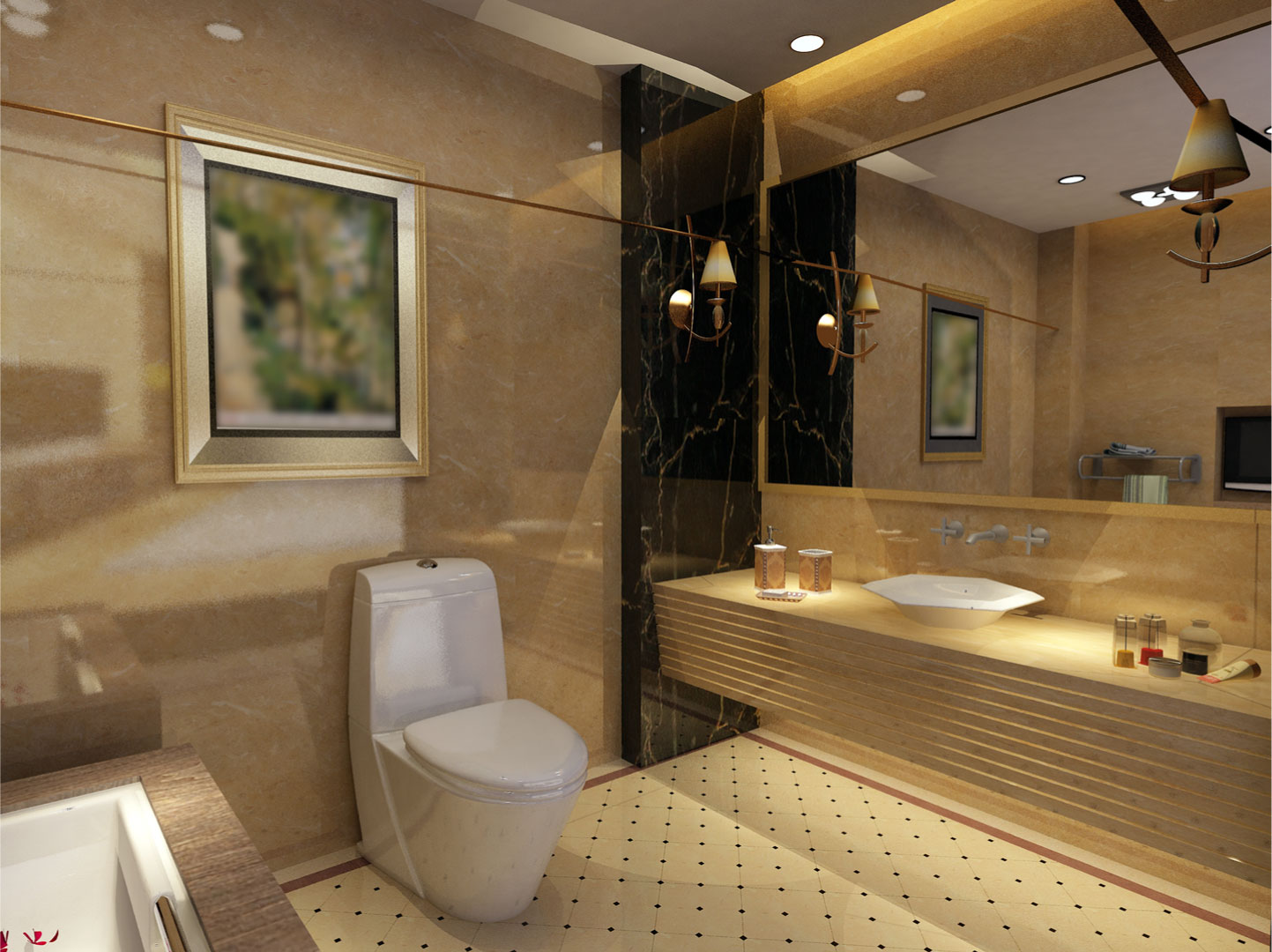
Vanity lighting plays a visible role in bathroom design. Fixtures should complement the architectural language of the project while remaining timeless enough to withstand design trends over time.
Common aesthetic strategies include:
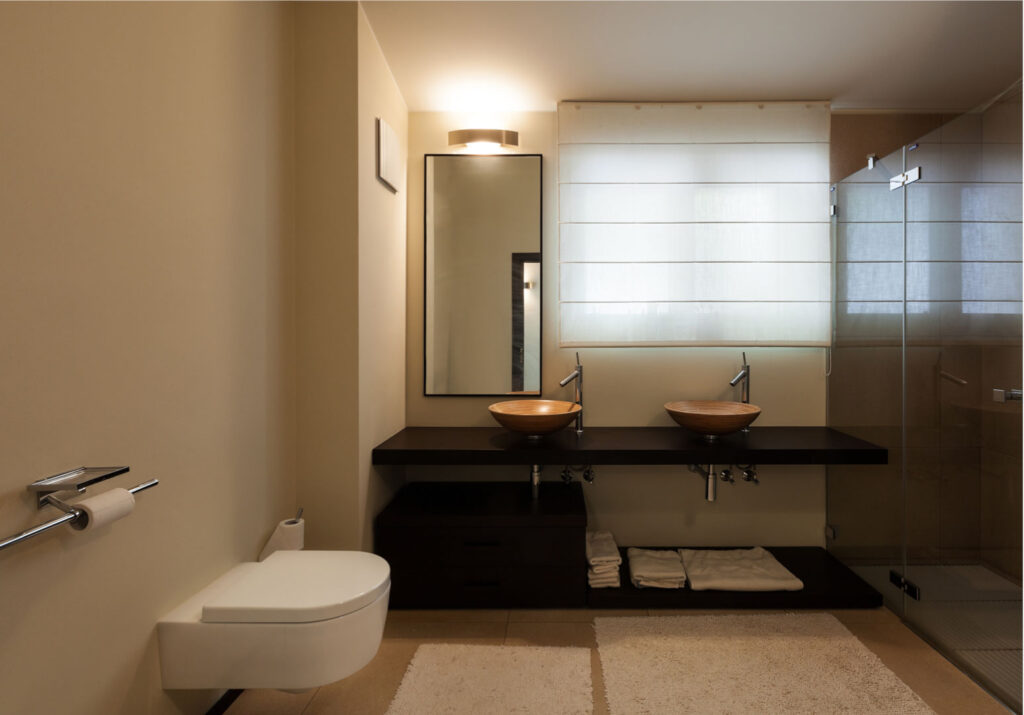
- Minimalist linear sconces for contemporary interiors
- Architectural backlit mirrors for a clean, modern look
- Decorative vertical fixtures as visual accents
Material finishes such as matte black, satin brass, brushed nickel, and powder-coated aluminum help coordinate lighting with faucets, hardware, and other bathroom elements.
In student housing, durability and simplicity are often prioritized, while hotels and luxury condominiums may incorporate more design-forward lighting elements.
Designing for Performance and Maintenance
Bathrooms are high-humidity environments with frequent use, so vanity lighting must be engineered for both design and long-term performance.
Important functional factors include:
- Moisture-resistant construction for damp environments
- LED technology for long life and reduced energy consumption
- Low-maintenance designs to minimize servicing
- Consistent light output across multiple units
In large-scale developments, fixture reliability can significantly impact operational costs.
Energy Efficiency and Sustainability
Sustainability is increasingly central to hospitality and multifamily development. High-efficiency LED vanity lighting helps reduce energy consumption while maintaining excellent illumination.
Modern fixtures can also support:
- Long operational lifespans
- Reduced heat output
- Compatibility with smart controls or occupancy sensors
These features contribute to environmental goals and long-term cost savings.
Customization for Large-Scale Projects
Large developments often require tailored lighting solutions to meet specific design and installation needs.
Customization options may include:
- Fixture dimensions
- Mounting configurations
- Finishes
- Lumen output
Manufacturers specializing in hospitality and multifamily lighting typically collaborate with project teams to ensure both aesthetic consistency and technical performance.
The Balance Between Design and Experience
Ultimately, vanity lighting is about more than illumination — it shapes how people experience a space.
In hotels, it contributes directly to guest comfort and satisfaction. In condominiums and student housing, it becomes part of residents’ daily routines.
When comfort, aesthetics, and function are properly balanced, vanity lighting enhances both the design quality and usability of the bathroom environment.
For architects, designers, and developers, thoughtful fixture selection ensures that this small but essential detail contributes to the overall success of the project.