Effective hotel lighting design goes far beyond illumination. Thoughtfully designed lighting enhances guest comfort, supports safety and wayfinding, reinforces brand identity, and contributes to long-term operational efficiency. From guest rooms and corridors to lobbies and outdoor spaces, the right lighting strategy balances aesthetics, performance, and durability.
Below are some proven lighting strategies for hotel guest rooms, corridors, and common areas, with a focus on layered lighting, fixture selection, and long-term value:
Guest Room Lighting Design: Creating Comfort and Control
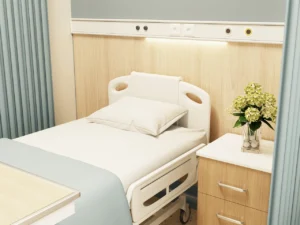
Hotel guest rooms function as both private retreats and multi-purpose spaces. Lighting must support relaxation, productivity, and daily routines while remaining intuitive and comfortable for guests.
A layered lighting approach is essential. Ambient lighting establishes the overall mood and visual comfort of the room. Ceiling-mounted fixtures, pendants, or indirect lighting provide even illumination without harsh glare. Task lighting supports specific activities such as reading, working, and grooming. Bedside reading lights, overbed lighting, desk fixtures, and vanity lighting ensure functionality where it is needed most. Accent lighting adds warmth and visual interest, highlighting architectural details, artwork, or headboard features.
Together, these layered lighting elements create a guest room environment that feels balanced, comfortable, and thoughtfully designed to adapt to each guest’s needs.
Corridor Lighting Design: Safety, Wayfinding, and Visual Continuity
Hotel corridors play a critical role in guest navigation and first impressions. While primarily functional, corridor lighting should also contribute to the overall design narrative of the property.
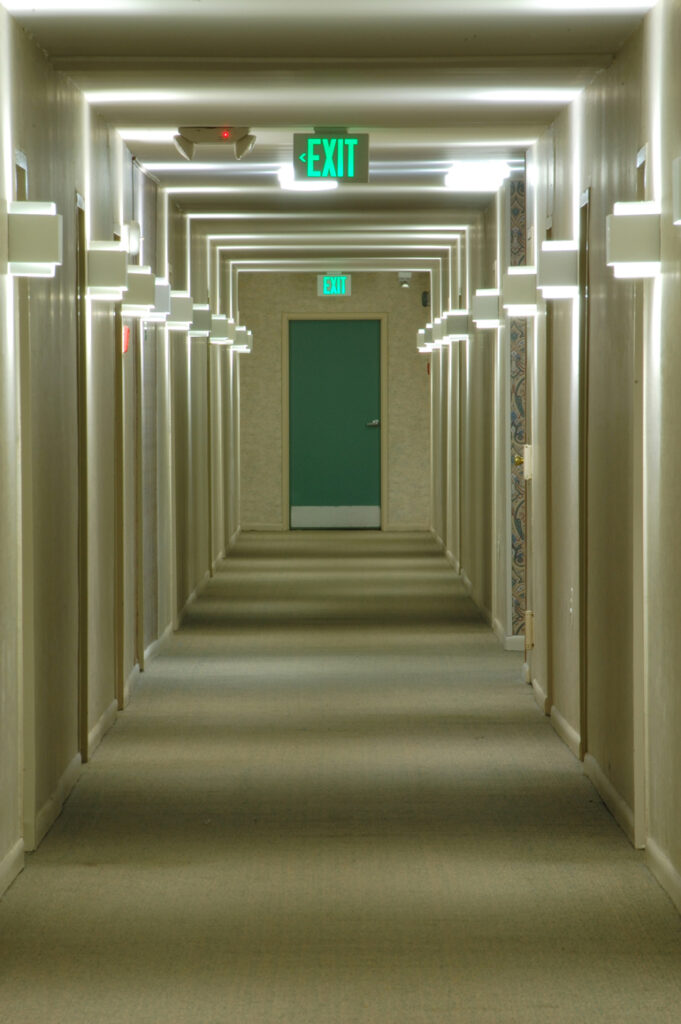
Well-designed corridor lighting provides consistent illumination that enhances safety and wayfinding without feeling overly bright or institutional. A combination of wall-mounted sconces and ceiling-mounted fixtures creates visual rhythm and depth, guiding guests naturally along the space. Indirect or diffused light sources help minimize glare and create a more comfortable environment.
Energy efficiency and maintenance are especially important in corridors due to extended operating hours. Long-life LED fixtures reduce maintenance demands, while occupancy sensors or adaptive dimming systems can significantly lower energy consumption during low-traffic periods. The result is a corridor lighting solution that is both visually refined and operationally efficient.
Common Area Lighting Design: Defining Atmosphere and Brand Identity
Common areas such as lobbies, lounges, restaurants, and outdoor gathering spaces define the character of a hotel. Lighting in these areas should be expressive, layered, and memorable, creating a strong sense of elegance and comfort while supporting a variety of activities.
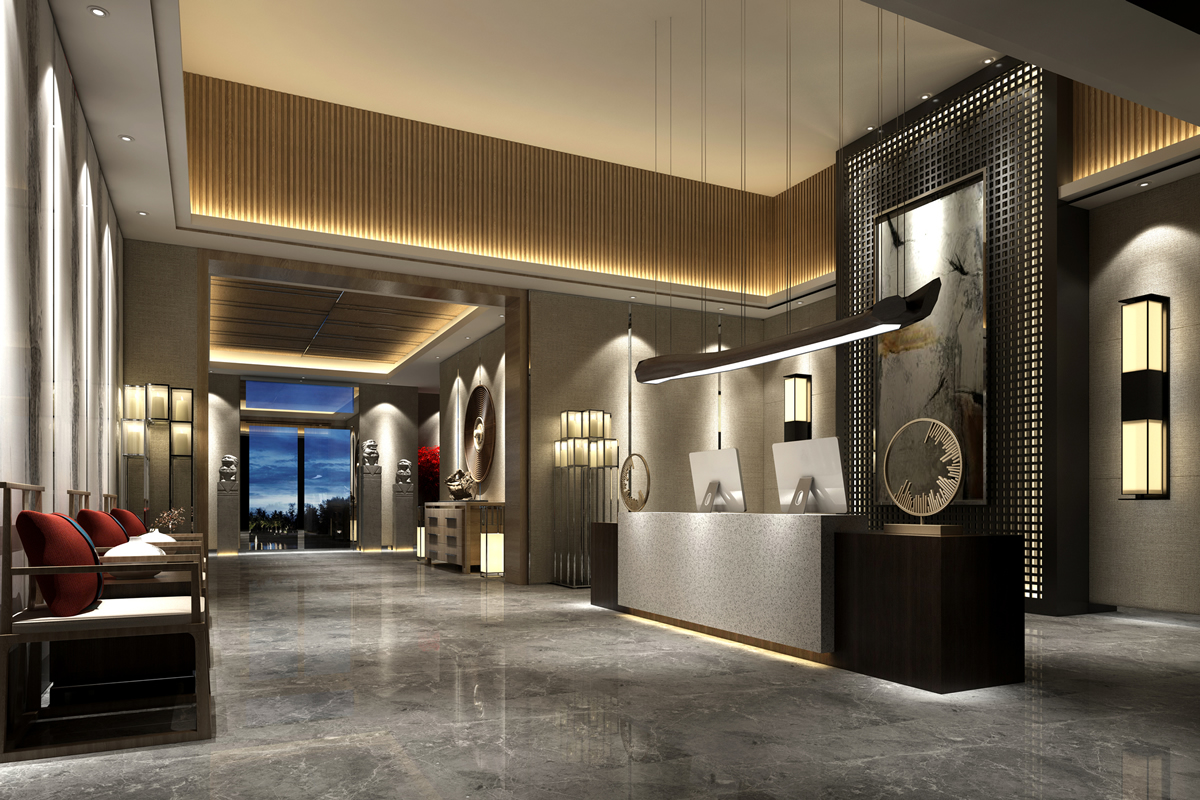
In lobbies and reception areas, decorative pendant lighting or statement ceiling-mounted fixtures often serve as focal points, establishing the hotel’s design identity upon arrival. Layered lighting that combines ambient, accent, and feature warm illumination adds depth and visual interest, highlighting architectural elements and key branding and design features.
Lounge and social spaces benefit from warm, dimmable lighting that encourages relaxation and conversation. Wall sconces, decorative pendants, and localized lighting create intimate zones within larger spaces, avoiding a flat or uniform lighting approach.
Outdoor lighting is equally important in creating a cohesive guest experience. Well-designed outdoor fixtures enhance safety, define pathways and entrances, and provide a smooth visual transition between exterior and interior spaces. Durable construction and weather-resistant materials are essential for long-term performance.
Cohesive Design, Custom Solutions, and Long-Term Performance
Across all areas of a hotel, lighting should feel cohesive while responding to the unique functional requirements of each space. Consistent fixture families, finishes, and light quality reinforce the overall design aesthetic and create a unified visual experience.
Custom lighting solutions allow designers and developers to align fixtures with architectural intent, while modular designs offer flexibility for future renovations. Energy-efficient light sources, robust construction, and reliable and consistent performance contribute to reduced operating costs and extended product life, delivering long-term value for hotel owners and operators.
Conclusion
A successful hotel lighting strategy integrates pendant fixtures, ceiling-mounted luminaires, wall sconces, vanity lighting, overbed lighting, and outdoor fixtures into a cohesive, layered design. By prioritizing guest comfort, visual quality, and operational efficiency, hotels can create inviting environments that elevate the guest experience and support lasting performance.
For lighting manufacturers and hospitality designers alike, well-executed lighting design is not simply an aesthetic choice—it is a strategic investment in the success of the property.
A successful hotel lighting strategy integrates pendant fixtures, ceiling-mounted luminaires, wall sconces, vanity lighting, overbed lighting, and outdoor fixtures into a cohesive, layered design. By prioritizing guest comfort, visual quality, and operational efficiency, hotels can create inviting environments that elevate the guest experience and support lasting performance.
For lighting manufacturers and hospitality designers alike, well-executed lighting design is not simply an aesthetic choice—it is a strategic investment in the success of the property.