Key Considerations When Specifying Overbed Lighting for Hospitals and Assisted Living
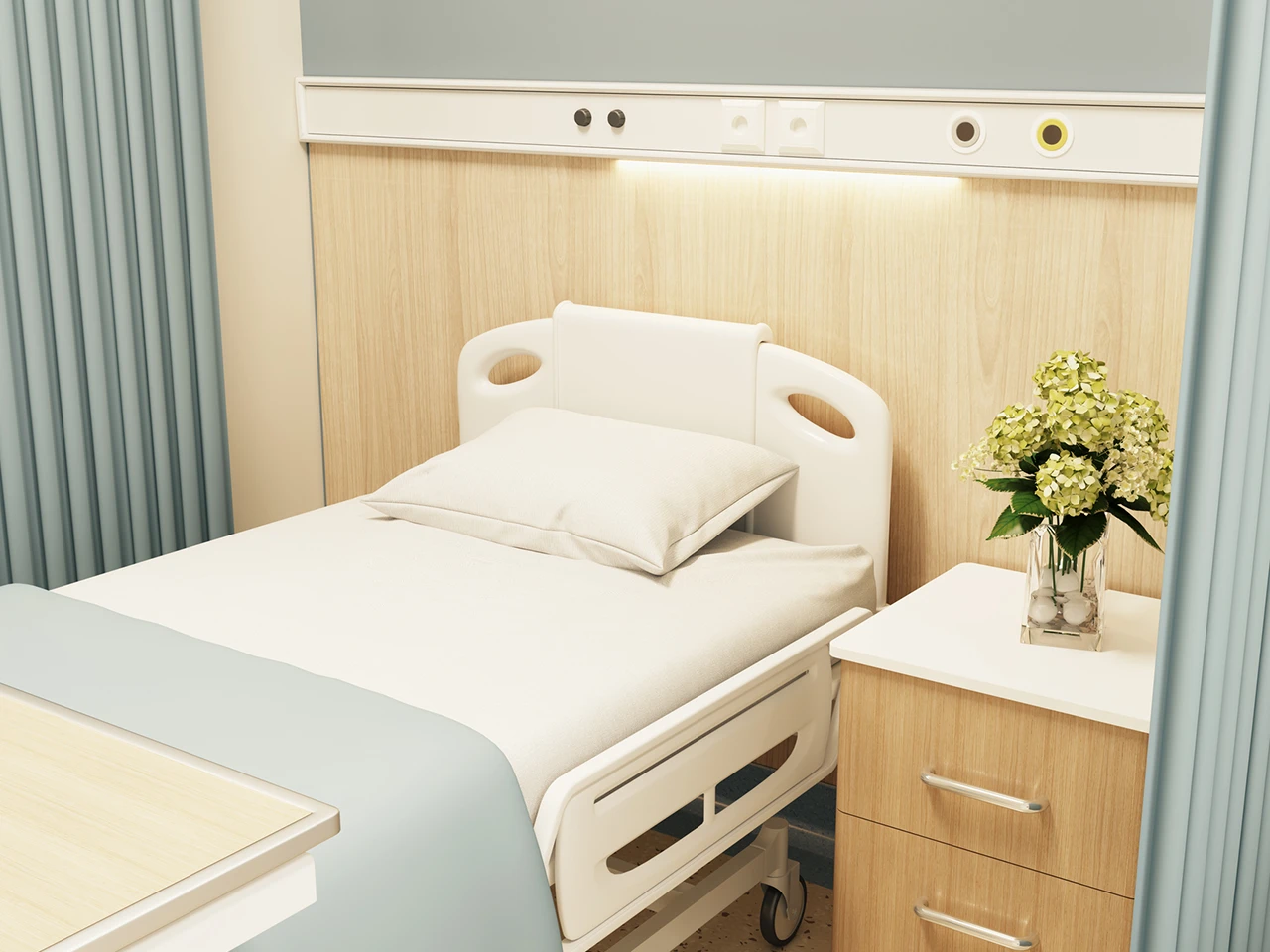
Overbed lighting plays a critical role in healthcare environments, directly affecting patient comfort, caregiver efficiency, and overall safety. In hospitals and assisted living facilities, lighting must perform multiple functions—supporting clinical tasks, enhancing patient well-being, and meeting strict regulatory requirements—all within a compact and often highly controlled space.
Specifying the right overbed lighting requires careful consideration of clinical needs, human comfort, and long-term operational performance. Below are the key factors designers, specifiers, and facility managers should evaluate when selecting overbed lighting solutions.
Patient Comfort and Well-Being
Patients spend extended periods in bed, making overbed lighting a constant presence in their visual environment. Poorly designed lighting can contribute to glare, discomfort, anxiety, and sleep disruption.
Key comfort considerations include:
- Glare control: Shielded light sources, diffusers, and indirect distribution help minimize direct glare when patients are reclined.
- Adjustable light levels: Dimming allows patients to personalize lighting for reading, resting, or sleeping.
- Warm to neutral color temperatures: Lower color temperatures (typically 2700K–3500K) create a more calming atmosphere and support rest and recovery.
In assisted living settings especially, lighting should feel residential rather than institutional, helping residents feel at ease in their living space.
Clinical Functionality and Caregiver Support
While patient comfort is essential, overbed lighting must also support medical tasks efficiently and safely. Clinicians require sufficient illumination for examinations, medication administration, and routine care—often at any hour.
Clinical lighting needs include:
- High light output when required: Task or exam modes should deliver adequate vertical and horizontal illumination.
- Accurate color rendering: High CRI lighting (typically 90+) ensures skin tones and medical details are viewed accurately.
- Easy access to controls: Separate caregiver controls allow staff to activate exam lighting without disturbing patient settings.
Well-designed overbed luminaires often integrate multiple lighting modes—ambient, reading, and exam—within a single fixture.
Nighttime Safety and Orientation
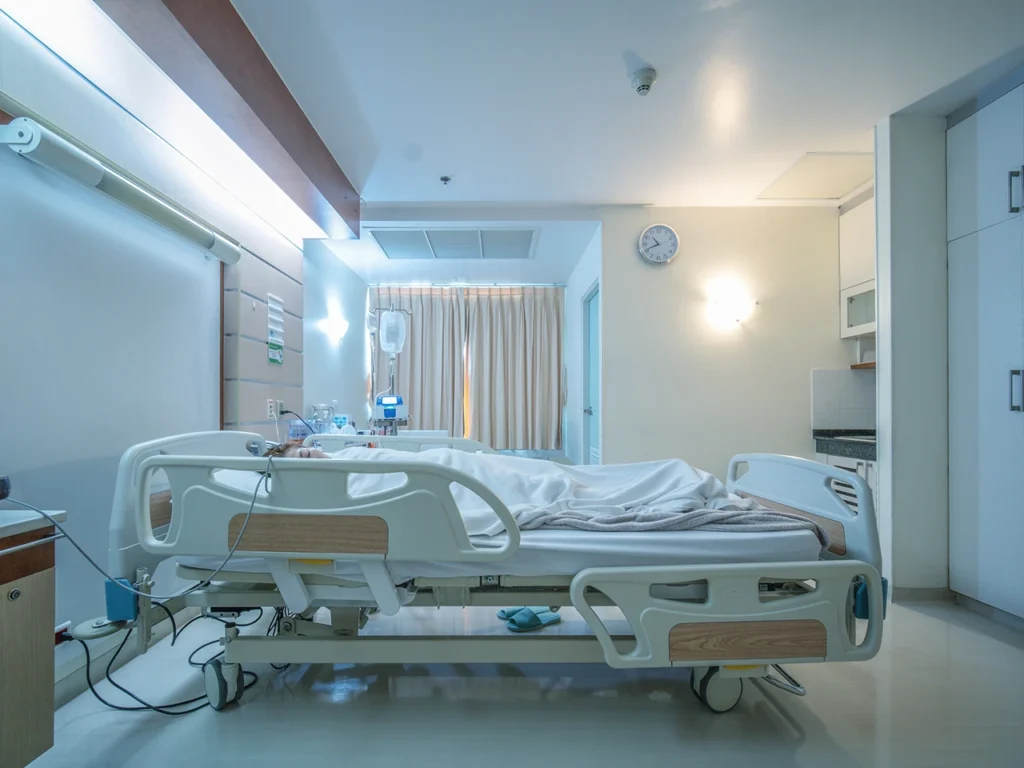
Falls are a major concern in healthcare and assisted living facilities, particularly at night. Overbed lighting can help improve orientation and reduce risk without fully waking patients.
Important safety features include:
- Low-level night lighting: Integrated night lights provide gentle illumination for safe movement.
- Automatic or sensor-based operation: Motion or occupancy sensors can activate lighting when needed.
- Clear visual contrast: Lighting should support wayfinding and help patients identify bed edges, rails, and nearby furniture.
By supporting safe nighttime movement, overbed lighting contributes directly to patient outcomes and facility risk management.
Infection Control and Cleanability
Healthcare environments demand fixtures that support rigorous cleaning and infection prevention protocols.
Key design considerations include:
- Smooth, sealed surfaces: Minimize dust accumulation and simplify cleaning.
- Durable materials: Fixtures should withstand frequent cleaning with hospital-grade disinfectants.
- Reduced crevices and seams: Less opportunity for bacteria to collect.
In hospitals, compliance with infection control standards is non-negotiable and should be considered early in the specification process.
Controls, Integration, and Flexibility
Modern healthcare lighting is increasingly integrated with building systems and patient-centric controls.
Lighting control considerations include:
- Intuitive patient controls: Simple, clearly labeled controls empower patients and reduce frustration.
- Compatibility with nurse call systems: Integration enhances workflow efficiency.
- Tunable white options: Circadian lighting strategies can support sleep-wake cycles, particularly in long-term care environments.
Flexible control strategies allow facilities to adapt lighting to different care models and future needs.
Compliance and Standards
Overbed lighting must meet applicable codes and standards, which may vary by region and facility type.
Common considerations include:
- Illuminance requirements for patient rooms
- Electrical and life-safety codes
- ADA and accessibility requirements
- Healthcare-specific guidelines (such as FGI or local authority standards)
Working with manufacturers experienced in healthcare lighting can help ensure compliance while maintaining design intent.
Longevity, Maintenance, and Energy Efficiency
Hospitals and assisted living facilities operate around the clock, making reliability and efficiency essential.
Long-term performance factors include:
- LED longevity: Reduces maintenance disruptions and operational costs.
- Energy efficiency: Supports sustainability goals and lowers utility expenses.
- Ease of servicing: Fixtures designed for quick access minimize downtime.
Selecting high-quality, well-engineered luminaires can significantly reduce total cost of ownership over the life of the facility.
Overbed lighting is far more than a simple fixture—it is a vital component of patient care, safety, and clinical efficiency. Successful specifications balance comfort and dignity for patients with the functional demands of caregivers, all while meeting regulatory, infection control, and operational requirements.
By carefully considering lighting performance, controls, cleanability, and long-term value, healthcare facilities can create patient rooms that are safer, more comfortable, and better suited to modern care environments.